




Road mats for hire
Lightweight road mats and modular panels for temporary access routes, ground protection, grassed areas and existing surfaces. We match the system to the ground conditions, loads and duration of use, with transport, installation and removal across Europe.
Matched to site conditions
Ground conditions, loads, traffic frequency and duration of use.
Transport and installation
Delivery, system installation and removal after the works are complete.
Multiple system types
Plastic, timber, aluminium and rubber components.
Projects across Europe
Construction, renewable energy, industry, logistics and events.
Which road mat system do you need?
The term “road mats” covers several different systems. In practice, Flex Deck is a common choice for lightweight temporary surfaces and ground protection, while Metrum or Alu Deck HD are used where ground conditions and loads are more demanding.
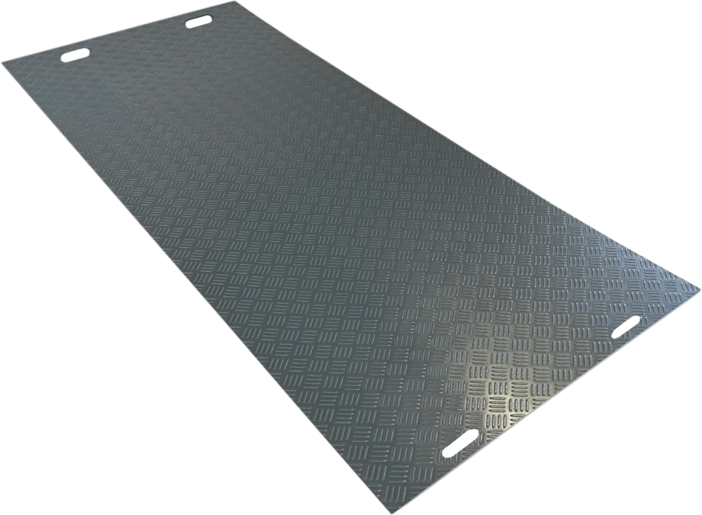
Flex Deck
Lightweight plastic panels for temporary access routes, grass protection, events and selected construction applications.
- efficient installation
- profiled surface
- easy removal
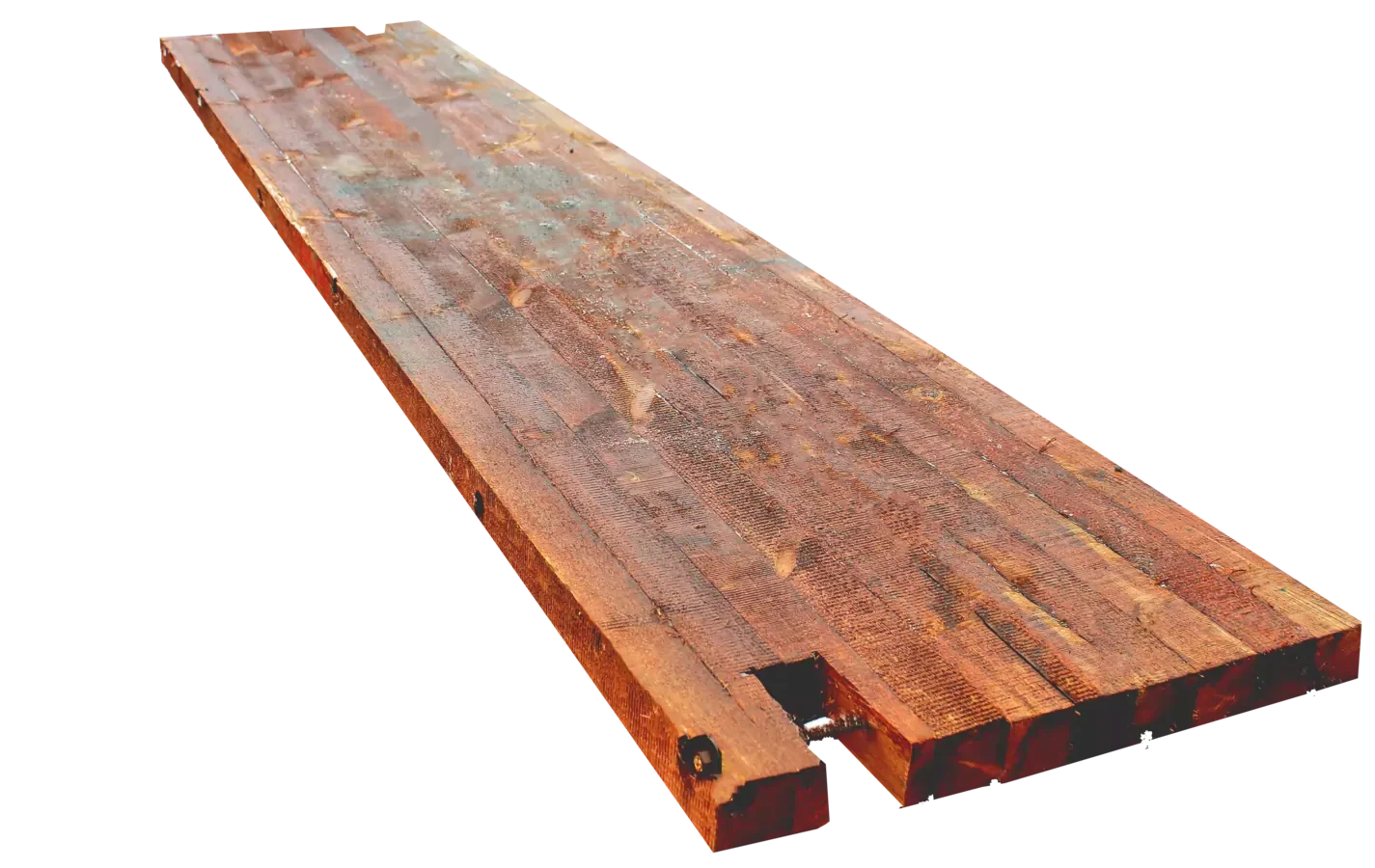
Metrum
Large timber road mats that spread loads over difficult ground and create access routes for heavier equipment.
- large panel footprint
- roads and working platforms
- temporary system
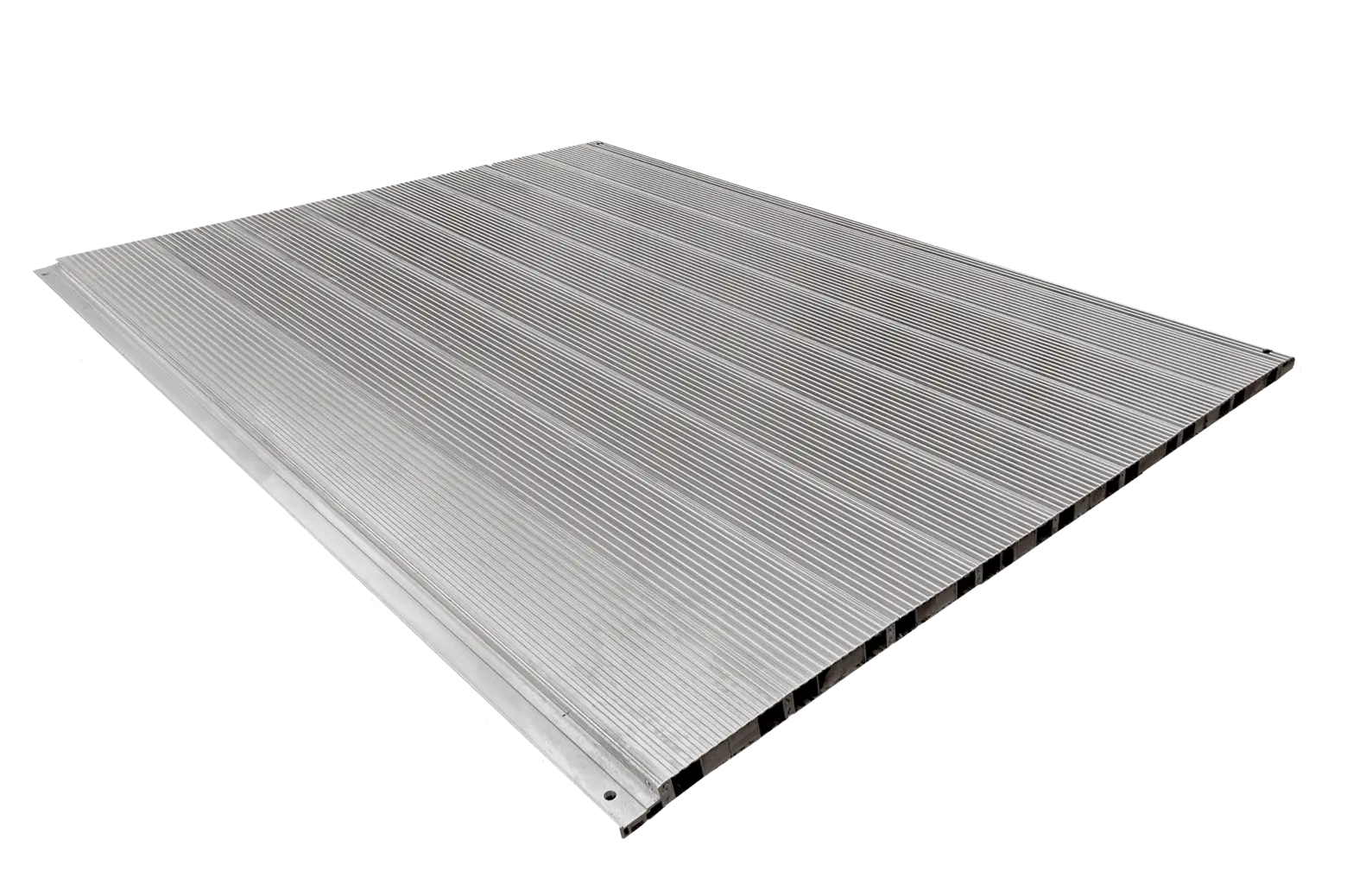
Alu Deck HD
An aluminium system for temporary access roads, working areas and locations where high load capacity must be combined with mobility.
- heavier traffic
- fast removal
- surface protection
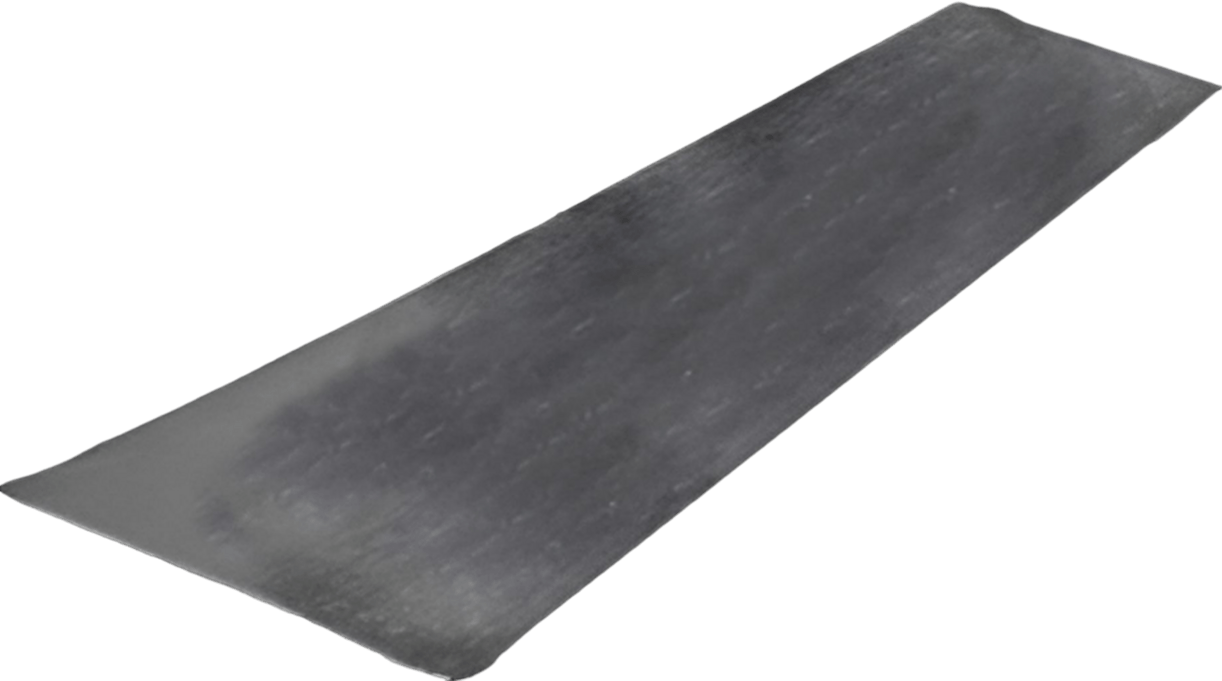
Rubber protection mats
Genuine rubber components used mainly as ramps, cushioning and edge protection for the main matting system.
- paving and asphalt protection
- flexible ramps
- system supplement
Road mats are not always made of rubber
Customers often use the terms road mats, rubber road mats and rubber road plates interchangeably. In practice, a complete temporary road or large working area is usually built from plastic, timber or aluminium panels.
Genuine rubber usually serves a different purpose: it protects edges, creates ramps and limits direct contact between the main system and paving, asphalt or other existing surfaces.
The most common requirement: quick access, ground protection and a removable system. In this case we start with the site conditions, not with the colloquial name of the product.
Road mat and modular panel comparison
The table below shows the role of each system without pretending that one solution is suitable for every ground condition and load.
| System | Material | Best use | Typical ground | Installation | Role |
|---|---|---|---|---|---|
| Flex Deck | LDPE plastic | temporary access, events, ground protection | grass, soil, existing surfaces | efficient, without heavy precast elements | lightweight primary surface |
| Metrum | timber | roads and working platforms for heavier equipment | soft, wet and uneven ground | requires planned transport and installation | large load-distribution footprint |
| Alu Deck HD | aluminium | temporary access roads and working areas | soil and surfaces requiring protection | modular and removable system | surface for more demanding applications |
| Rubber protection mats | reinforced rubber | ramps, edges and localised protection | paving, asphalt and system transition points | used as a supplementary component | protection, not always a complete road |
Do not select a system by name alone. The same product can behave differently on firm ground and waterlogged soil, and an access road may require a different solution from a platform under stationary machinery.
How to choose road mats for the ground and traffic?
Vehicle weight alone is not enough. The right choice also depends on the ground, route geometry, manoeuvring and how long the temporary surface will remain in use.
Soft or waterlogged ground
Load distribution area, ground preparation and drainage are key.
Grass, paving stones or asphalt
The priority is to protect the existing surface and minimise disturbance during installation.
Trucks and regular traffic
You need to know axle loads, traffic frequency and where vehicles will turn, brake and unload.
Tracked machinery
Point loads, friction during turning and resistance to mechanical damage are important.
Events and pedestrian traffic
Slip resistance, drainage, appearance and efficient installation and removal all matter.
Multi-month project
We assess durability, inspection requirements and the cost over the full period of use.
Where are road mats used?
We select the system according to the function of the area. A truck route, grass protection and a working platform each have different requirements.
Construction
Access routes, working areas and unloading zones for heavy equipment.
Renewable energy
Temporary roads and working platforms at wind and solar farms.
Events
Grass protection, technical access routes and temporary surfaces for event back-of-house areas.
Industry and logistics
Access roads, manoeuvring areas and temporary working surfaces.
A quote based on real project data
How much does road mat rental cost?
Pricing is project-specific. Two areas with the same square meterage can cost differently if the ground, traffic, system or location differs.
- surface area and road or yard geometry,
- type of system selected,
- planned hire period,
- location and number of transport runs,
- ground conditions and preparation,
- scope of installation and removal.
The cheapest panel does not always mean the lowest total project cost. The full process and avoiding downtime are what matter.
What should you send us for an accurate quote?
- project location,
- approximate length and width or total area,
- planned period of use,
- type and weight of vehicles or machinery,
- 2–3 photos of the site,
- whether installation and removal are required.
Do not know the exact area? A sketch, map or basic dimensions are enough. We will help calculate the required quantity.
From assessment to removal
Assessment
We review the ground, loads, route and schedule.
System selection
We recommend a system that matches the actual site conditions.
Transport and installation
We deliver and install the temporary surface on site.
Removal
After the works are complete, we remove the system and clear the area.
Rubber road mats – when do they make sense?
Genuine rubber road plates and protective mats are flexible, so they work well where the main temporary surface meets paving, asphalt or another existing surface.
They are most often used as:
- ramps at panel edges,
- protection for existing surfaces,
- cushioning and impact reduction,
- a supplement to a modular system,
- protection at localised crossing points.
If you need a complete temporary road or a large working area, Flex Deck, Metrum or Alu Deck HD will usually be a better starting point.
Road systems in practice
Different ground conditions and loads require different solutions. Below are three examples of modular temporary surfaces in use.
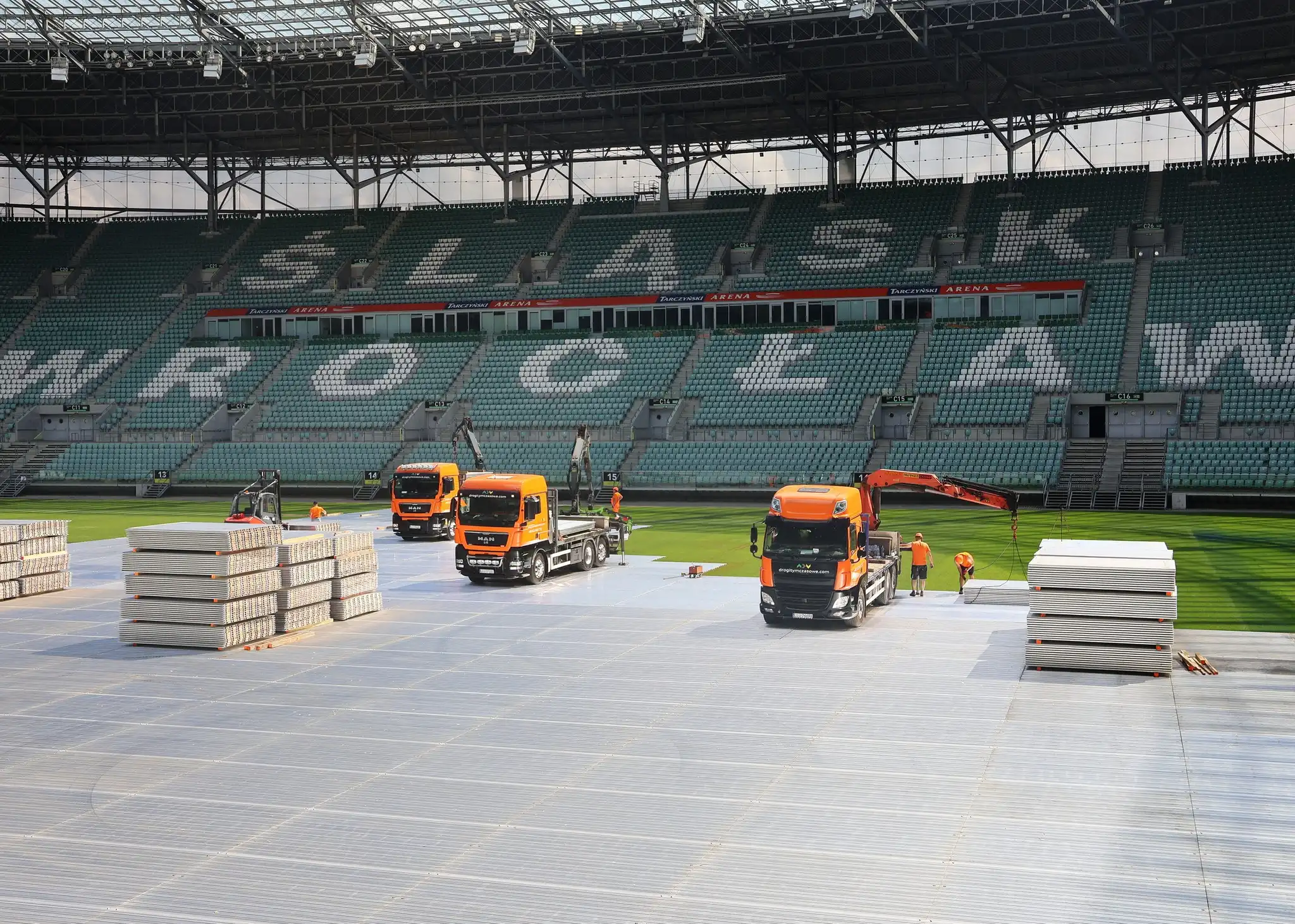
Tarczyński Arena Wrocław
Grass protection and a temporary surface for the back-of-house area of a major event.
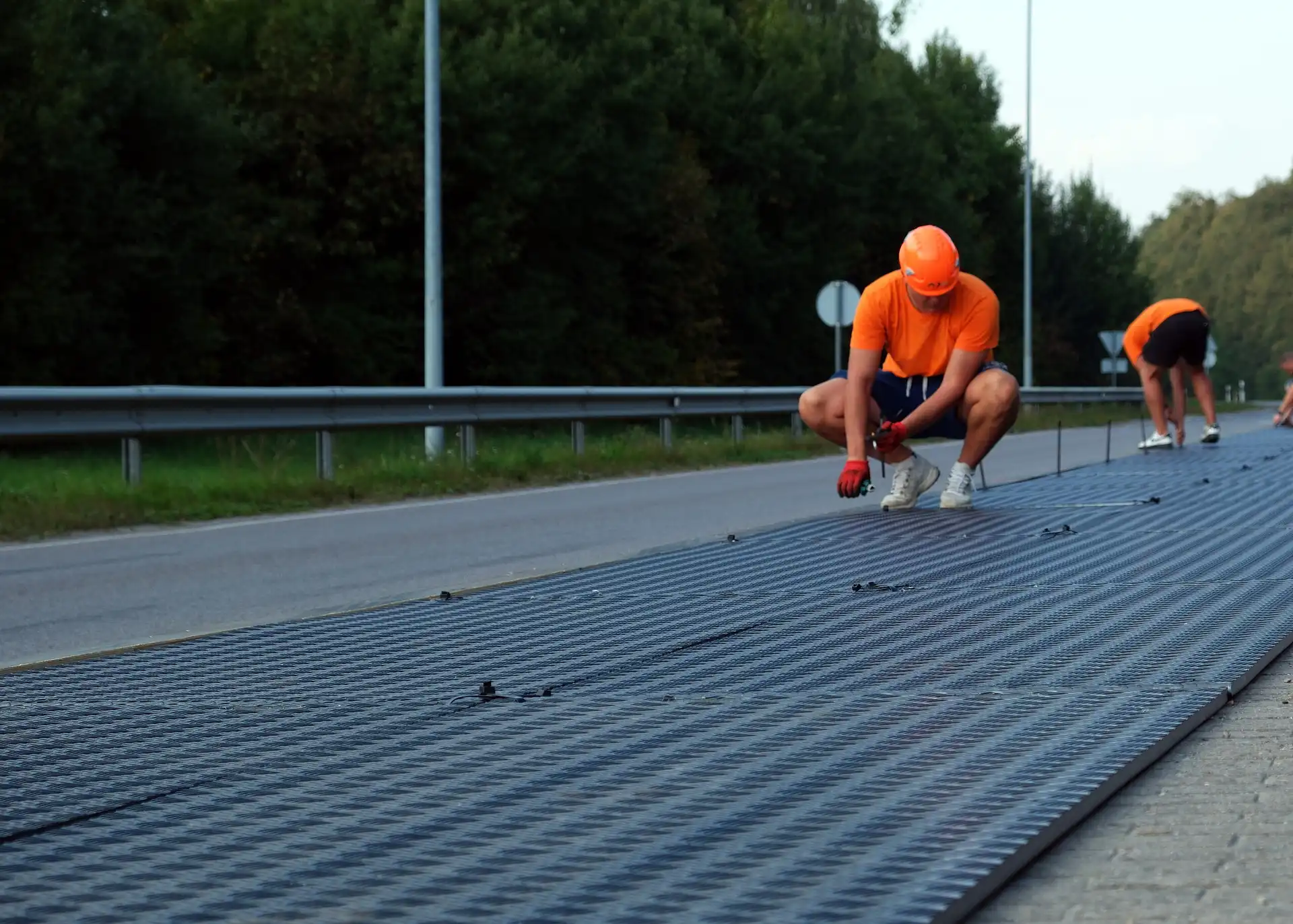
Temporary road at a wind farm
Temporary access for equipment over demanding ground at a renewable-energy project.
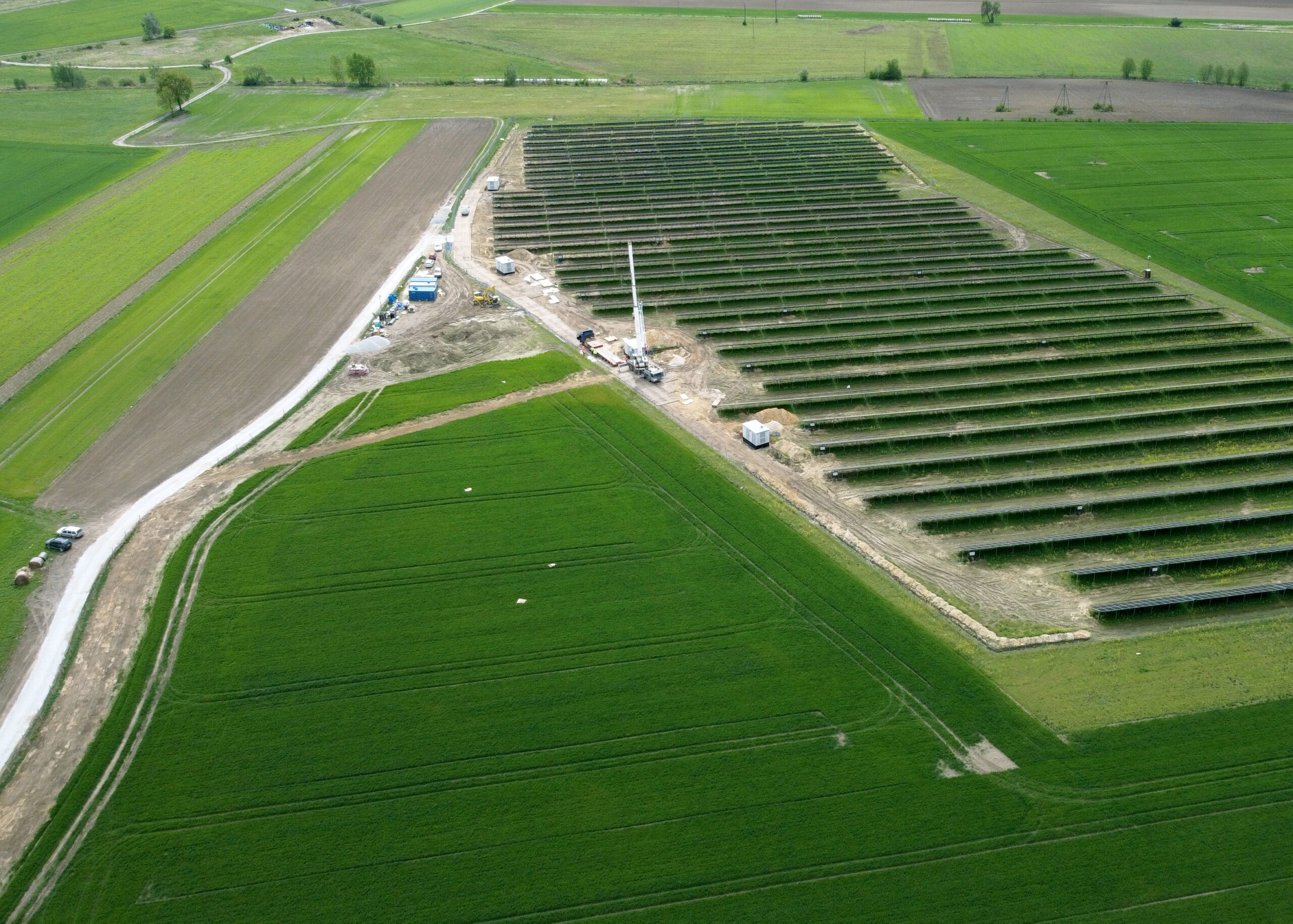
13 transformer stations in one week
1,200 m² of temporary surface used for power-sector works.
Road mat FAQ
What are road mats?
It is a broad term covering lightweight plastic panels, timber mats, aluminium systems and rubber components. The right choice depends on the ground, loads and function of the temporary surface.
Are road mats always made of rubber?
No. Many products commonly called road mats are made from plastic, timber or aluminium. Genuine rubber is often used for ramps and edge protection.
Which road mats are suitable for soft or waterlogged ground?
Load distribution and ground preparation are the key factors. Depending on the loads, options may include large timber mats, modular panels and an additional separation layer.
Which road mats are suitable for trucks?
You need to know axle loads, traffic frequency, turning areas and ground conditions. For heavier traffic, Metrum or Alu Deck HD are more commonly considered than lightweight protective panels.
Can road mats be laid on grass, paving stones or asphalt?
Yes, but the system must match the existing surface and the loads. On delicate ground, panel weight, connections, duration of use and protection at entry points are important.
How much does road mat rental cost?
The price depends on the area, system type, hire period, location, transport, installation and ground conditions. That is why each project is quoted individually.
How long does road mat installation take?
The installation time depends on the area, selected system, access for equipment and site conditions. Once we receive the location, photos and scope of work, we can confirm a realistic timeframe.
Do you provide road mat rental across Europe?
Yes. TDM provides system selection, transport, installation and removal across Europe. Logistics cost and timing depend on the location and project scope.
Need road mats for your project?
Send us the location, approximate area, hire period and photos of the ground. We will select the system and prepare a quote for transport, installation and removal.
Email: kontakt@drogitymczasowe.com