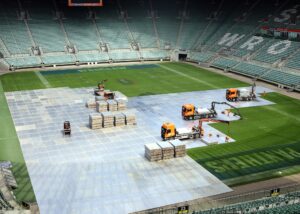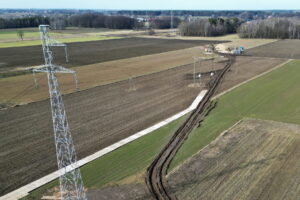





Road slabs are one of the most practical solutions used in agriculture. They make it easy to adapt a farm’s infrastructure to changing conditions and improve day-to-day operations. Their variety and wide range of applications mean they are used for building temporary access roads, stabilizing the ground, or creating animal enclosures. In this article, we’ll discuss how road panels can support the development of farms and what benefits come from using them.
A universal solution for farms
Agriculture is an industry that requires not only a lot of work, but also the right infrastructure. The problem of unstable ground—especially after heavy rainfall—can lead to work stoppages, damage to equipment, or difficulties transporting crops. In such cases, road slabs prove indispensable. Using them makes it possible to quickly create temporary roads, storage yards, or animal enclosures, while also protecting the ground for heavy machinery.
Temporary access roads
Building temporary access roads is one of the most common uses of road slabs in agriculture. On farms where heavy equipment needs to move across muddy or soggy terrain, road slabs allow for smooth and safe transport. This type of solution prevents vehicles from sinking into soft ground, significantly reducing equipment repair costs and helping maintain the flow of fieldwork.
An important advantage of temporary roads made from road slabs is their mobility. After the work is finished, the slabs can be easily dismantled and moved to another location, which makes them an economical solution for farms with changing infrastructure needs.
Temporary warehouses and storage yards
Farms often need space to store crops, machinery, or construction materials. Road panels work perfectly as a base for storage yards and temporary warehouses. Their use allows for the quick preparation of a stable surface that protects materials from damage or contamination.
Aluminum and rubber road slabs are especially valued in places where cleanliness must be maintained or where the ground needs protection from chemicals. Wooden slabs, on the other hand, can be used in less demanding conditions—e.g., for temporary storage of straw or timber.
Ground protection for heavy machinery
Heavy machines such as tractors, combines, or loaders can cause significant damage to the ground, especially in soft or waterlogged areas. Road slabs help distribute the load evenly, preventing ground deformation. Depending on the type of machinery and the characteristics of the terrain, aluminum, rubber, or wooden road slabs can be used.
Aluminum road slabs, thanks to their light weight and durability, are ideal for locations where fast installation and dismantling are important. Rubber road slabs provide additional ground protection, which is especially useful in waterlogged areas or in environmentally sensitive locations.
Ground stabilization and farm infrastructure development
Farm restructuring is a process that often requires ground stabilization. Whether it’s building a new farm building or modernizing existing infrastructure, road panels can significantly make investment projects easier to carry out. Their use enables the quick preparation of a stable base, speeding up construction work and minimizing risks related to unstable ground.
Animal enclosures
Livestock such as cattle or horses require a safe and stable surface in their enclosures. Rubber road slabs are an excellent solution because they provide not only proper cushioning, but also easy maintenance and cleanliness. An enclosure made with rubber slabs reduces the risk of injuries and prevents mud formation during rainy periods.
Types of road slabs and their applications
There are various types of road slabs available that can be tailored to a farm’s specific needs. Each type has its own unique features and advantages:
- Aluminum road slabs – lightweight and corrosion-resistant, ideal for places where fast installation and long service life are required. Perfect for animal enclosures and areas exposed to moisture.
- Wooden road slabs – eco-friendly and easy to transport, often used to build temporary storage yards and to stabilize the ground in less demanding conditions.
- Rubber road slabs – flexible and resistant to damage, especially useful for animal enclosures and in locations that require environmental protection.
Renting and installing road slabs – a convenient solution
For farms that need temporary solutions, renting and installing road slabs is an ideal option. Companies offering such services deliver the materials on site, ensuring quick installation and professional support. Renting helps reduce costs and allows solutions to be tailored to current needs, without the need to invest in purchasing slabs for long-term ownership.
Benefits of using road slabs in agriculture
Using road slabs on farms brings many benefits, such as:
- better access to areas even in difficult weather conditions,
- protecting machinery and the ground from damage,
- saving time and costs thanks to fast installation,
- the ability to reuse slabs in different locations,
- improved working conditions and safety across the farm site.
Comprehensive road-slab solutions for agriculture
Road panels are a universal and practical solution that can significantly improve the operation of any farm. They make it possible to create temporary access roads, storage yards, and animal enclosures, as well as stabilize the ground for heavy machinery. The variety of available types—such as wooden, aluminum, or rubber road slabs—allows them to be tailored to individual needs. Renting and installation further increases the accessibility of this solution, making it economical and convenient to use. A modern farm focused on growth and efficiency will certainly appreciate the benefits of using road slabs.